Ongoing Sales Coaching
A Sales Coach in Your Corner for the Opportunities That Matter
Bring the real opportunities, conversations, pipeline challenges, and business development situations you’re facing. Get experienced guidance, practice, feedback, and accountability to help you handle them better and become more consistent.
Whether you’re preparing for an important prospect meeting, trying to move a stalled opportunity forward, improving follow-up, or building better business development habits,
sales coaching helps you know what to do next and become better at doing it on your own.
Thank you for contacting us.
We’ll get back to you as soon as possible.
We got it.
Sales Coaching Built Around What You’re Facing Right Now
Knowing what to do is one thing. Consistently doing it when you’re in front of a real prospect is another.
That’s where sales coaching becomes valuable.
Instead of working through a generic coaching curriculum, we focus on the actual opportunities, conversations, behaviors, and challenges affecting your results.
Bring an upcoming meeting. A stalled opportunity. A difficult objection. A pipeline that isn’t moving. A business development activity you know you should be doing but aren’t doing consistently.
We’ll work through what’s happening, determine what to do next, practice when appropriate, and evaluate what happens.
The goal isn’t to tell you what to do. It’s to help you become better at knowing what to do and consistently doing it on your own.

Why Sales Coaching Works
Sales performance rarely improves because someone heard a good idea once.
It improves through
practice, application, feedback, and accountability.
A good sales coach helps you examine what’s actually happening, identify what’s getting in the way, and determine what to do differently. You apply it in the real world, evaluate what happened, and continue improving.
For teams that have completed sales training, coaching helps turn newly learned skills into consistent behaviors. For individuals and teams that haven’t, coaching provides a practical way to improve by working directly on the situations they face every day.
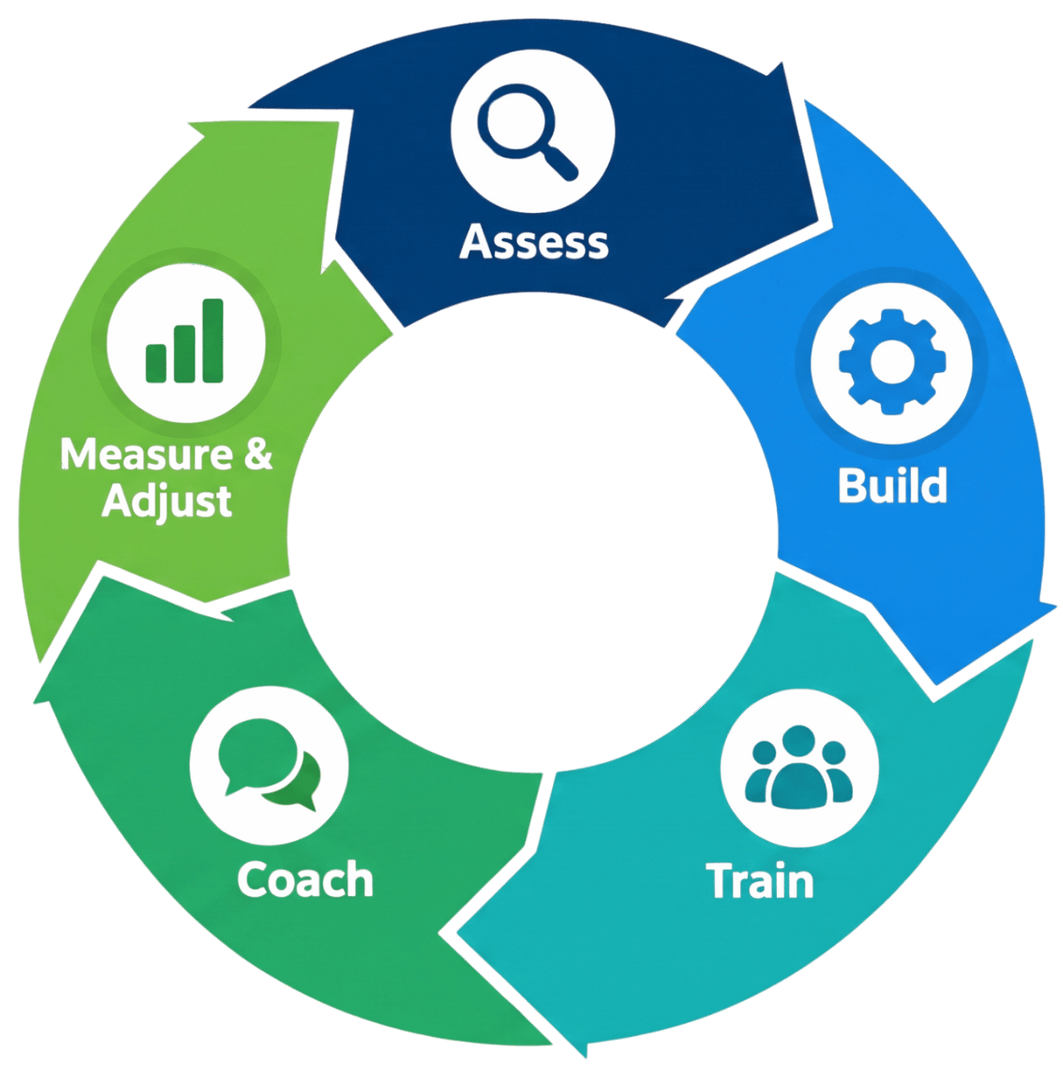
Training teaches the skills. Coaching helps you apply them when it matters.
What Can You Bring to a Sales Coach?
Bring the situations keeping you up at night or the opportunities you don’t want to lose.
Sales coaching conversations might start with:
- “I have an important prospect meeting next week. How should I approach it?”
- “This opportunity has been sitting in my pipeline for three months. What should I do?”
- “I’m getting plenty of first meetings but not enough second meetings.”
- “My prospect says we’re too expensive. How should I respond?”
- “I’m doing a lot of networking but not generating enough opportunities.”
- “I’m uncomfortable asking questions about budget.”
- “I know I should be asking clients for referrals, but I never seem to do it.”
- “My team isn’t doing the business development activities they committed to doing.”
- “I have a proposal outstanding and the prospect has gone quiet.”
- “I know what I’m supposed to do. I’m just not consistently doing it.”
That’s where coaching becomes practical, not theoretical.
Individual and Group Sales Coaching

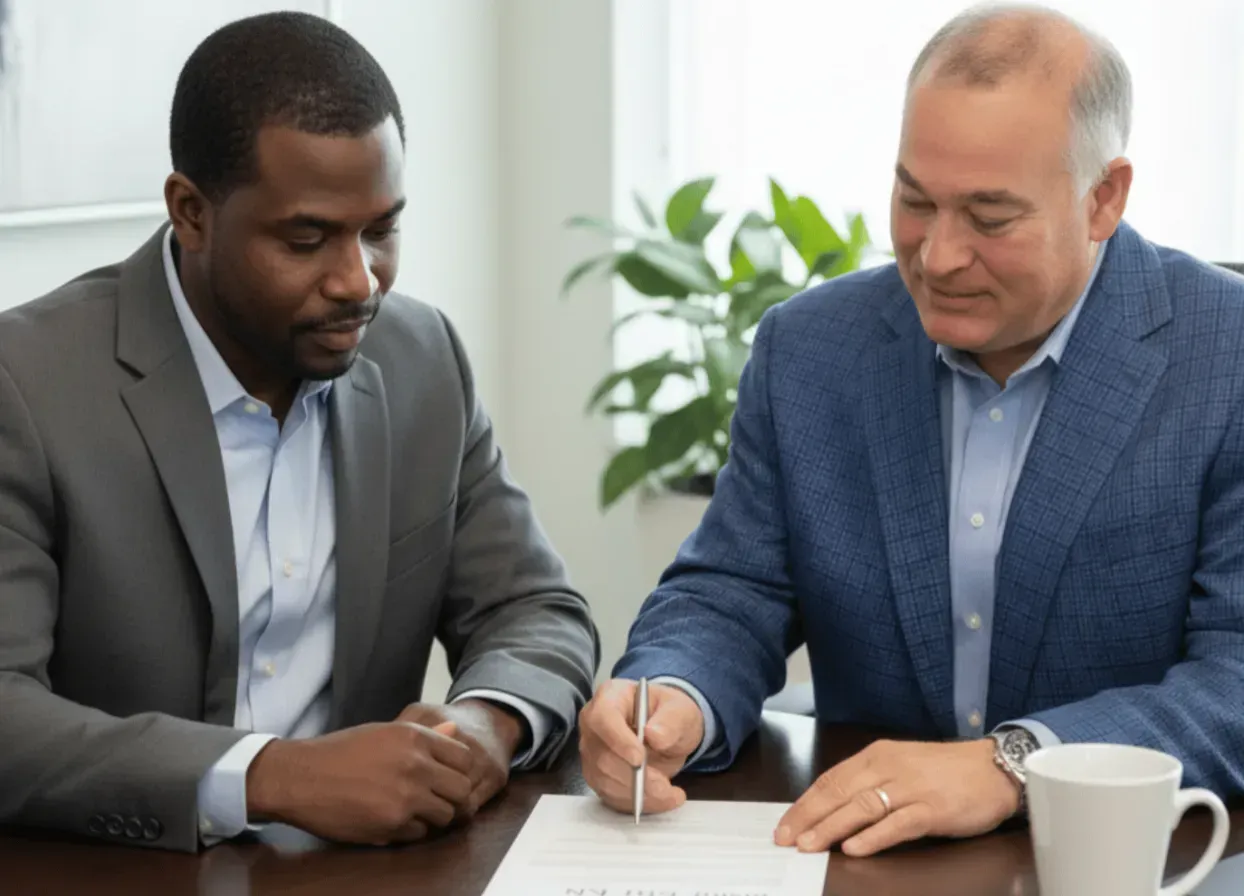
One-on-One Sales Coaching
Individual coaching focuses entirely on the person being coached: their goals, opportunities, challenges, strengths, and areas for improvement.
Sessions may include preparing for an upcoming prospect meeting, role-playing a difficult conversation, reviewing the pipeline, developing a business development strategy, or determining how to move a specific opportunity forward.
The agenda isn’t built around a generic coaching curriculum. It’s built around what will help that individual improve.
Group Sales Coaching
Group coaching gives your team a regular forum to work through actual sales and business development challenges together.
Sessions can include role-play, pipeline discussions, prospect strategy, difficult conversations, objection handling, and stalled opportunities.
Participants get feedback from the coach while learning from the experiences of their peers, helping the team develop
a shared approach to what good business development looks like.

Accountability Between Sessions
Improvement doesn’t happen only during coaching meetings.
Participants establish clear goals and commitments and use our coaching and accountability tools to track progress between sessions.
That creates visibility into whether the activities discussed during coaching are actually happening and helps turn intention into consistent action.
What Benefits Will I Receive From Sales Coaching?
More Consistent Execution
Knowing what to do matters. Consistently doing it is what creates results. Coaching helps close the gap between intention and execution.
Better Sales Conversations
Regular practice and feedback help participants ask stronger questions, communicate value more effectively, handle difficult situations, and establish clearer next steps.
Greater Accountability
We help participants set clear goals, commit to specific actions, and take ownership of their progress. Through consistent follow-up and coaching, we hold them accountable for turning commitments into action and achieving measurable results.
Stronger Judgment
Over time, participants become better at diagnosing sales situations, determining what questions to ask, recognizing potential problems, and deciding how to move opportunities forward.
More Effective Pipeline Management
Coaching helps identify why opportunities are stalled, which opportunities deserve additional attention, and which may need to be disqualified.
Lasting Behavior Change
When coaching follows training, concepts are repeatedly practiced and applied until they become part of how the participant approaches sales and business development.
What Improves with Sales Coaching?
Sales coaching can be valuable for professionals at very different stages of their careers.
Professionals Responsible for Developing Business
Attorneys, accountants, financial advisors, consultants, and other professionals who are excellent at their craft but want to become more confident and consistent at generating new business.
Owners & Partners
Leaders who carry significant responsibility for generating revenue and want an experienced outside perspective on their pipeline, strategy, opportunities, and business development activities.
Sales Professionals
Experienced and developing salespeople who want to improve specific skills, move opportunities forward, shorten sales cycles, and increase consistency.
Sales Teams
Organizations that want consistent reinforcement, greater accountability, and a shared approach to sales and business development.
Professionals Who Have Completed Sales Training
Individuals and teams that understand the concepts but need ongoing practice, feedback, and accountability to turn what they’ve learned into lasting behaviors.
COACHING THAT FITS
HOW PROFESSIONALS ACTUALLY SELL?
Your professionals shouldn’t have to become stereotypical salespeople to become better at business development.
Our coaching is practical, consultative, and built around the way professionals develop business: through
expertise, relationships, credibility, and trust.
We don’t coach people to memorize scripts or pressure prospects into making decisions. We help them ask better questions, have more effective conversations, create clearer next steps, and become more comfortable doing the things that consistently lead to new business.
The objective isn’t to change who your people are. It’s to help them become more effective at developing business as themselves.
FREQUENTLY ASKED QUESTIONS ABOUT SALES COACHING
Questions we hear from almost every firm before they engage with us.
What does a sales coach do?
A sales coach helps individuals and teams improve sales performance by working on real opportunities, behaviors, skills, and challenges. Coaching may include role-play, pipeline review, prospect strategy, meeting preparation, business development planning, skill development, and accountability.
How is sales coaching different from sales training?
Sales training primarily teaches concepts, processes, and skills. Sales coaching focuses on applying and improving those skills in real-world situations. Training provides the foundation; coaching provides ongoing practice, feedback, and accountability.
Do I need to complete sales training before working with a sales coach?
No. Sales coaching can be a standalone engagement or follow a sales training program. The coaching is built around the individual's or team's goals, challenges, and current level of experience.
Is sales coaching only for struggling salespeople?
No. Coaching can be equally valuable for managing partners, business owners, and high performers who want an outside perspective, greater accountability, help with important opportunities, or continued improvement.
Do you offer individual and group sales coaching?
Yes. PPG provides both one-on-one and group sales coaching depending on the needs of the individual or organization.
READY TO PUT A SALES COACH IN YOUR CORNER?
You don’t have to figure out every sales challenge on your own.
Key Takeaways:
- Work on real opportunities and challenges, not hypothetical sales scenarios.
- Get an experienced outside perspective when you’re unsure how to approach a meeting, objection, stalled opportunity, or pipeline issue.
- Practice and improve the conversations that matter through feedback, role-play, and real-world application.
- Build greater consistency and accountability around the activities that lead to new business.
- Become better at developing business as yourself, without scripts, pressure tactics, or trying to become a stereotypical salesperson.
Whether you’re trying to create more opportunities, prepare for an important meeting, move a stalled opportunity forward, improve your team’s consistency, or turn previous training into lasting behavior change, sales coaching gives you an experienced coach in your corner and the accountability to keep improving.
Let’s start with a conversation about what’s happening today and what you’d like to change.